
Can I Sell Land in a Flood Zone, Wetland, or on a Steep Slope?
These parcels can often still sell, but the buyer pool changes
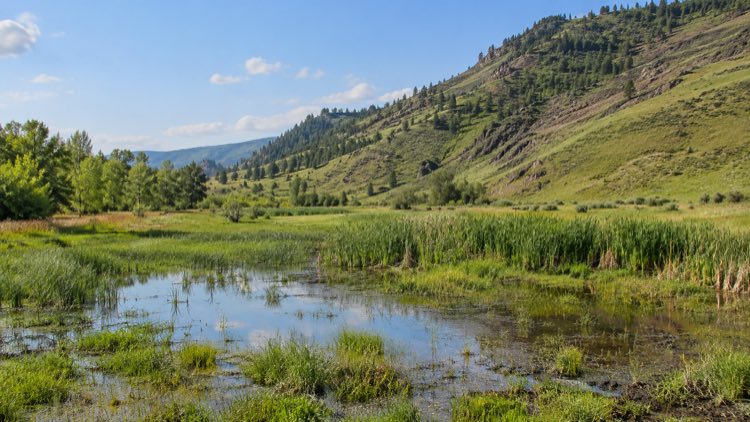
Maybe you inherited a parcel that floods. Or you bought a lot that turned out to be soggy, or you own a hillside that seems too steep to use.
These conditions mostly limit what a buyer can build, fill, or finance, but they do not always stop the land from changing hands. What usually changes is who wants the land, what they will pay, and how long a sale may take.
Knowing how each limit works can help you set realistic expectations before you pick a path.
How each constraint limits what a buyer can do with the land
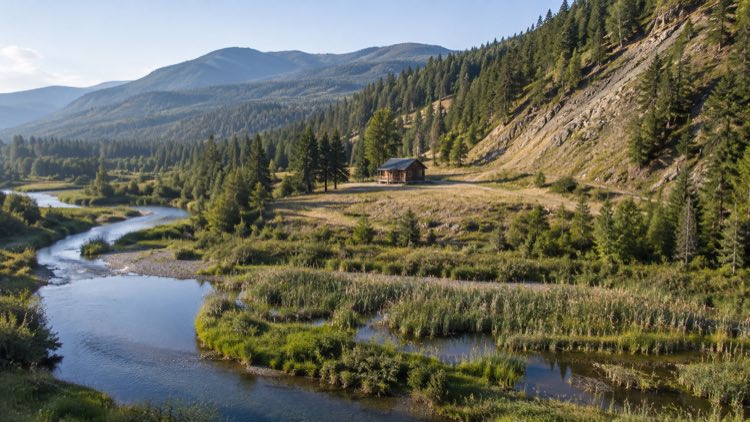
Most retail land buyers want to build a home or cabin. Each of these limits matters mainly because it makes that plan harder.
Flood zones
Land in a FEMA-designated flood zone can bring flood insurance costs and stricter building requirements. Lenders may also be reluctant to finance it.
A “100-year” floodplain has roughly a 1% chance of flooding in any given year. That figure describes risk, not safety.
Wetlands
Clean Water Act Section 404 covers wetlands under federal jurisdiction. Under this law, placing dredged or fill material into those wetlands generally requires a federal permit.
For a buyer who wants to build, that permit adds cost and delay. It also carries the risk of denial or costly mitigation requirements.
Steep slopes
Steep terrain can make a lot unbuildable by conventional standards. Any slope limit that applies will depend on where the land is.
What these limits usually mean for value, demand, and timing

Restricted land often sells well below similar buildable land. In some cases it brings only a small fraction of that value, because much of it cannot be developed.
Pricing it like a buildable lot is a common reason these parcels go unsold.
Still, a smaller buyer pool is not an empty one. Depending on the parcel, buyers may include hunters, neighboring owners, agricultural users, and conservation or mitigation banking interests.
Financing narrows the field even more. Lenders often avoid flood-prone or undevelopable land, so many realistic buyers pay cash.
With fewer buyers able or willing to take on the limits, these parcels tend to stay on the market longer.
Records that help answer a buyer’s first questions
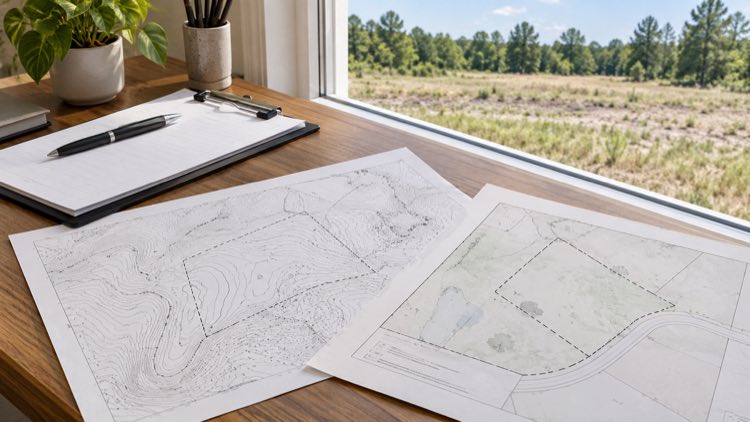
A few documents can make a restricted parcel easier to evaluate.
- the FEMA flood map panel showing the zone
- any county letter about buildability or a failed perc test
- a wetland delineation, if one exists
- a survey showing topography
Many retail buyers want a wetland delineation before they make an offer. Cash buyers, on the other hand, often move forward without one.
As a result, you may not need to pay for new studies just to explore a sale.
Disclosure is a separate issue. States and localities set their own disclosure rules, including how to disclose a flood designation.
A real estate attorney can confirm what applies to your land.
Comparing your selling paths side by side
No single path suits every owner. The better choice depends on your goals, budget, and timeline, not on the land’s limits alone.
| Path | May fit when | Trade-offs |
|---|---|---|
| Resolve the issue first | You have time and budget | Studies, map challenges, and conservation or mitigation plans can be slow and costly, with no guaranteed result |
| List on the open market | You want to test the retail price | Small buyer pool, likely requests for studies, and a longer wait |
| Hold the land | You have no deadline | Property taxes continue on land you may not be able to use |
| Approach neighbors | Adjacent owners may want more land | Interest is uncertain |
| Explore an as-is cash offer | You value simplicity and certainty | Price reflects the land’s limited buildability |

How Smiles for Land reviews a restricted parcel
Smiles for Land reviews vacant land one parcel at a time rather than applying a single formula. For a flood-zone, wetland, or steep-slope property, it may consider access, zoning, terrain, wetlands, flood risk, taxes, title, and utilities.
The review may also cover market demand, recent sales, and ownership complications. Together, these factors help show whether the parcel fits its buying criteria.
When a property fits, Smiles for Land buys vacant, rural, inherited, unwanted, and other hard-to-manage land nationwide. Sellers can explore an as-is sale with no repairs, cleanup, or retail listing.
Communication stays direct and owner-led from review through closing. If a deal moves forward, independent title or closing professionals verify ownership and prepare closing documents.
They also coordinate the transaction. If you would rather not pay for studies or wait for a rare retail buyer, you can ask Smiles for Land to review your parcel.
Know your parcel’s constraints before you choose a path

The right path usually starts with clear facts about your own parcel. First, learn its flood zone, wetland status, and terrain.
Then you can weigh the cost and time of fixing the issue against listing, holding, or selling as-is. Keep in mind that flood, wetland, slope, permit, and disclosure rules vary by state and locality.
Because they can also change, confirm the current requirements before you decide.
Frequently Asked Questions About Wetland and Flood Zone Land
What is the difference between a wetland delineation and a jurisdictional determination?
A wetland delineation is a field study. It maps where wetlands begin and end on a parcel.
A jurisdictional determination is a decision by the Army Corps of Engineers. It states which of those wetlands fall under federal authority.
Can part of a wetland parcel still be buildable?
Sometimes. Some parcels have a dry area outside federal jurisdiction where limited building may be possible.
Finding that area usually requires a wetland delineation. Many wetland parcels, however, have little or no practical building area.
Are any activities exempt from the Section 404 permit requirement?
Yes, a few are. According to the EPA, certain ongoing farming and forestry activities are exempt.
Because exemptions are narrow, check with the Army Corps of Engineers or an environmental consultant before relying on one.
Can I earn money by turning my wetlands into a mitigation bank?
Possibly. A mitigation bank is a protected wetland area that creates credits.
Developers buy those credits to offset approved wetland impacts elsewhere. Setting one up can take years.
It also involves regulatory approval, a permanent conservation easement, and long-term upkeep.
Can I challenge my property’s FEMA flood zone designation?
Yes, if you believe FEMA placed your property in the wrong zone. You can file a formal appeal with FEMA to have the designation reviewed.
This step makes sense only when the original designation appears to be an error.
Want a Cash Offer for Your Land?
Tell us about the property. There is no obligation, and you can compare the offer with your other options.
GET MY CASH OFFER