
Does My Land Have Value If There’s No Road Access?
Land without road access still has value, but usually less
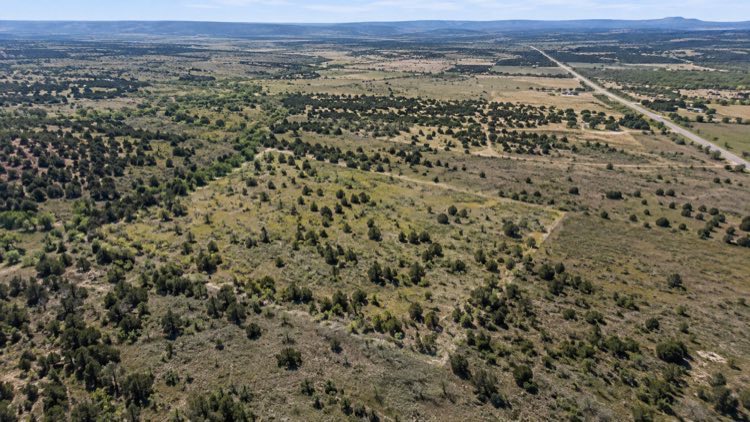
Yes, land without road access still has value, and you can still sell it. It usually sells for less than similar land with a road.
For owners of vacant, inherited, rural, or remote land, the real question is which selling path fits the parcel’s access situation.
Physical access and legal access are not the same thing
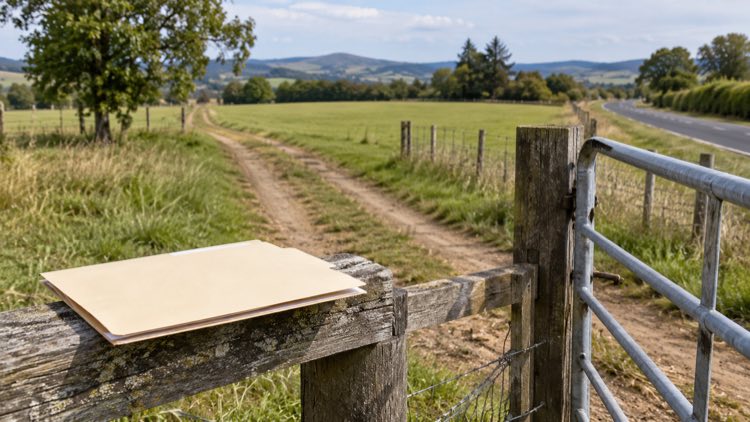
A parcel is generally considered landlocked when it has no legal access to a public road. You may be able to drive across a neighbor’s field to reach it.
That does not give you a legal right to do so.
Legal access usually means the land borders an official road or has a recorded easement. An easement is a documented right to cross a neighbor’s land.
Verbal permission offers far less protection, since a neighbor can withdraw it or sell.
Why missing access lowers what buyers will pay
Buyers price in the problems they would inherit. Missing legal access raises two main kinds.
- Financing and title limits. Many lenders hesitate or decline to finance landlocked land. A title company may also decline to insure for access. Both often narrow the buyer pool.
- Building and resale limits. Many counties will not issue building permits without legal access. Emergency services and utilities also need a way in, and the next owner faces the same limits.
How access can sometimes be confirmed or created
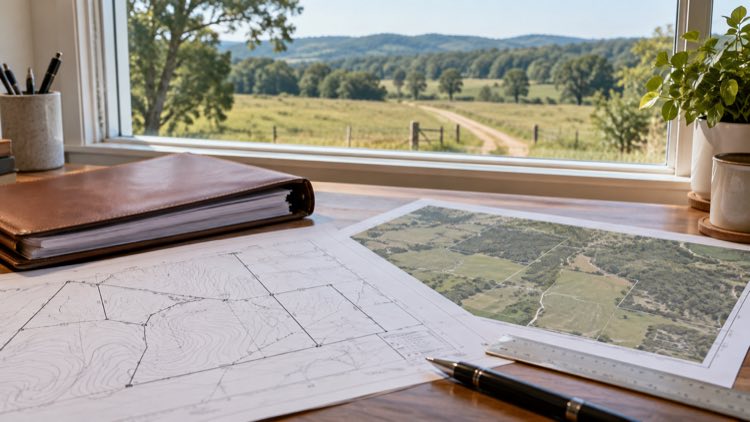
Start by reviewing your deed and ordering a title search. A survey and the county plat map can help too.
If the title report lists an exception for lack of access, the parcel likely lacks recorded legal access.
The most direct fix is usually a written easement from an adjoining owner. It should be recorded with help from a real estate attorney.
The neighbor may ask to be paid, or may be willing to sell a narrow strip that connects to a road.
If talks fail, many states recognize an easement by necessity. It often depends on proof that both parcels once had the same owner.
Some states also recognize easements based on long, open use, but the time and proof required vary by state.
Statutes add other routes in some places. In Texas, a landlocked owner can ask the county commissioners court to establish a public road.
A Texas law firm notes the court is not required to grant it.
Court routes can be expensive, slow, and stressful, and success is not assured. Access laws, procedures, and deadlines also vary by state and can change.
For that reason, a local real estate attorney should advise on any specific parcel.
Practical paths for selling land without road access
These are general market approaches, not legal advice. Most owners weigh some version of three paths.
| Path | What it involves | Possible advantage | Tradeoff |
|---|---|---|---|
| Resolve access first | Record an easement or pursue a legal route | May widen the buyer pool | Cost, time, and uncertain results |
| Offer it to a neighbor | Contact adjoining owners | A neighbor may already have access | Depends on their interest |
| Sell as-is | Sell to a buyer who needs no bank loan | Skips fixing access first | Price reflects the access issue |
Whichever path you choose, describe the access honestly. Disclosure rules vary by state and can change.
How Smiles for Land evaluates a parcel without road access
Smiles for Land researches each parcel individually. Whether an offer is made depends on that property.
Sharing your deed, any recorded easements, or a survey can give that research a clearer starting point.
The team then explains the offer and closing process in plain English.
Why a landowner might involve Smiles for Land for this type of property
Smiles for Land buys land as-is nationwide. That means you can explore a sale without resolving access first.
This can matter if you live far from a rural or remote parcel.
There are no agent commissions. Sellers also get a direct, owner-led point of contact for questions about records, access, or ownership.
Confirm access before you choose a path
Legal access drives the price, the buyers, and the timeline for land without a road. Confirm your access status first, and then choose the path that fits your time and budget.
Frequently Asked Questions About Selling Landlocked Land
Can land next to a road still lack usable access?
Yes, in some cases. A transportation agency may not allow a driveway onto a busy highway.
A road may also be too narrow for emergency vehicles, or exist only on a plat map.
Who else might buy land without road access?
Neighbors are often the most logical buyers. Recreational buyers, hunters, timber buyers, investors, and long-term holders may also be interested.
Can I build on land that has an access easement?
Sometimes. Building depends on more than access.
Zoning, local frontage rules, setbacks, utilities, and soil conditions can all play a role.
Does a recorded easement stay with the land if I sell?
Access easements that benefit a parcel generally transfer to future owners. Recording the easement in the county records helps protect that right.
What should my listing say about the access?
Explain the access clearly and plainly. For example, say whether there is a recorded easement, a road used over time without documents, or no known legal access.
Want a Cash Offer for Your Land?
Tell us about the property. There is no obligation, and you can compare the offer with your other options.
GET MY CASH OFFER